Andy Wang
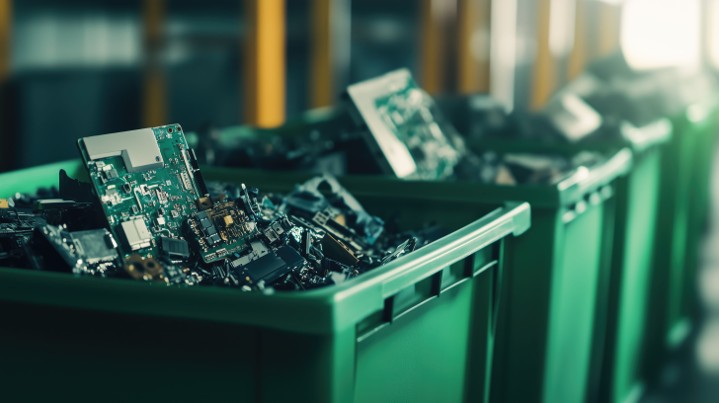
Andy Wang of Advanced United Refining on Advancing Sustainable Electronics Recycling
Andy Wang is an owner of Advanced United Refining (AUR), a leader in electronics recycling and precious metals refining with a strong commitment to sustainability, operational excellence, and innovation. As part of the leadership team, Andy Wang has helped guide the company’s continued growth while supporting responsible recycling practices that recover valuable materials, reduce environmental impact, and strengthen the circular economy.
With a focus on continuous improvement, transparency, and customer service, Andy Wang has played an important role in helping Advanced United Refining expand its capabilities and build long-term relationships throughout the electronics recycling industry. His commitment to responsible resource recovery reflects AUR’s mission of combining advanced technology with environmentally conscious business practices.
Building on a Legacy of Innovation
As an owner of Advanced United Refining, Andy Wang has helped support the company’s investment in cutting-edge refining technologies and sustainable infrastructure. AUR’s Integrated Refining Facility in Phoenix, Arizona represents the company’s commitment to maximizing precious metals recovery while maintaining rigorous environmental standards.
Through ongoing investment in technology and operational efficiency, Advanced United Refining continues to deliver transparent, reliable refining services for customers across North America and international markets.
The Core Principles Behind Advanced United Refining
Integrity and Transparency
Transparency remains one of the defining characteristics of Advanced United Refining. Andy Wang supports a business philosophy centered on open communication, detailed reporting, and complete accountability throughout every stage of the refining process.
Comprehensive mass balance reporting, thorough documentation, and clear customer communication help ensure clients understand exactly how their materials are processed and valued. This commitment to transparency has helped establish lasting trust throughout the electronics recycling industry.
Experienced Global Leadership
Advanced United Refining benefits from an experienced management team with decades of expertise in electronics recycling, precious metals recovery, logistics, and international business development.
With leadership experience spanning the United States and global markets throughout Asia, the company combines technical knowledge with operational excellence to deliver dependable refining solutions for businesses of all sizes.
Advanced Refining Technology
Innovation continues to drive Advanced United Refining’s success. The company’s Phoenix Integrated Refining Facility utilizes advanced processing systems designed to maximize recovery rates while improving efficiency and maintaining complete material traceability.
These investments enable AUR to provide:
- Faster turnaround times
- Accurate material accountability
- Higher recovery efficiencies
- Consistent quality control
- Greater value for customers
By continually investing in new technologies, Advanced United Refining remains positioned at the forefront of precious metals refining.
A Commitment to Sustainability
Environmental responsibility is central to the company’s operations. Andy Wang supports initiatives that prioritize responsible recycling, waste reduction, and regulatory compliance throughout every stage of the refining process.
Advanced United Refining’s proprietary closed-loop refining system is designed to exceed federal, state, and local environmental standards while minimizing waste generation and protecting employees, customers, and surrounding communities.
This sustainable approach helps recover valuable resources that might otherwise be lost while reducing the need for newly mined raw materials.
Supporting a More Sustainable Future
As demand for electronics continues to grow worldwide, responsible recycling has become increasingly important. Andy Wang believes that innovation and sustainability must work together to address the challenges created by electronic waste.
By investing in advanced refining technologies and environmentally responsible processes, Advanced United Refining continues helping businesses recover precious metals safely, efficiently, and responsibly.
The company’s ongoing commitment to transparency, innovation, and environmental stewardship positions it to remain a trusted partner for electronics recyclers, manufacturers, and industrial customers seeking sustainable refining solutions.
Andy Wang of Advanced United Refining on the Role of Bioplastics in Green Manufacturing
As manufacturers seek new ways to reduce environmental impact, bioplastics have emerged as one of the most promising alternatives to conventional petroleum-based plastics. Andy Wang of Advanced United Refining recognizes that sustainable manufacturing depends on adopting innovative materials alongside responsible recycling and resource recovery practices.
Although Advanced United Refining specializes in electronics recycling and precious metals refining, the company’s broader commitment to sustainability aligns with emerging technologies such as bioplastics that support a more circular economy.
Understanding Bioplastics
Bioplastics are manufactured using renewable raw materials such as corn starch, sugarcane, cellulose, vegetable oils, and other plant-based feedstocks. Unlike conventional plastics made primarily from fossil fuels, many bioplastics either originate from renewable resources or are engineered to biodegrade under specific conditions.
Their development represents an important step toward reducing reliance on finite natural resources while lowering greenhouse gas emissions associated with traditional plastic production.
Environmental Advantages
Lower Carbon Emissions
Because renewable feedstocks absorb carbon dioxide during growth, many bioplastics produce a smaller overall carbon footprint than petroleum-based plastics.
Reduced Plastic Waste
Certain bioplastics are designed to decompose in industrial composting facilities, helping reduce long-term plastic accumulation in landfills and marine environments.
Conservation of Natural Resources
Replacing fossil fuel-based plastics with renewable alternatives helps preserve nonrenewable resources while supporting more sustainable manufacturing practices.
Growing Applications Across Industries
Sustainable Packaging
Packaging remains one of the fastest-growing applications for bioplastics.
Examples include:
- Food containers
- Protective films
- Cosmetic packaging
- Household product packaging
Many of these products offer strong barrier performance while improving recyclability or compostability.
Agriculture
Bioplastics are increasingly used throughout agriculture in products such as:
- Biodegradable mulch films
- Seedling trays
- Plant containers
These materials help reduce plastic waste while supporting healthier agricultural practices.
Automotive and Electronics
Manufacturers continue exploring bioplastics for durable applications including:
- Interior vehicle components
- Dashboard materials
- Consumer electronics housings
- Protective casings
These applications help reduce product weight while improving sustainability.
Healthcare
Medical manufacturers increasingly utilize bioplastics in:
- Disposable medical devices
- Sterile packaging
- Laboratory products
These applications combine safety with improved environmental performance.
Textiles
Bioplastics are also being incorporated into fiber production for clothing, upholstery, and industrial textiles as manufacturers seek alternatives to petroleum-derived synthetic fibers.
Challenges That Remain
While bioplastics offer considerable promise, several obstacles continue to influence widespread adoption.
These include:
- Higher production costs
- Manufacturing scalability
- Limited composting infrastructure
- Recycling compatibility
- Consumer education
Researchers continue developing new materials that improve durability, biodegradability, and cost efficiency while expanding commercial applications.
Innovation and the Circular Economy
Andy Wang believes sustainable manufacturing requires multiple complementary solutions. Responsible electronics recycling, precious metals recovery, renewable materials, and improved product design all contribute to building a stronger circular economy.
Recovering valuable metals through advanced recycling while reducing dependence on traditional plastics helps manufacturers decrease environmental impact across entire product life cycles.
Looking Ahead
The future of sustainable manufacturing will likely involve greater collaboration between material innovation and responsible resource recovery. As bioplastic technologies mature and recycling infrastructure continues to improve, manufacturers will have additional opportunities to reduce waste while maintaining high product performance.
Andy Wang and Advanced United Refining continue supporting initiatives that encourage responsible manufacturing, sustainable recycling, and efficient resource management. By embracing innovation across multiple industries, businesses can help build a cleaner, more resilient future while preserving valuable natural resources for generations to come.